
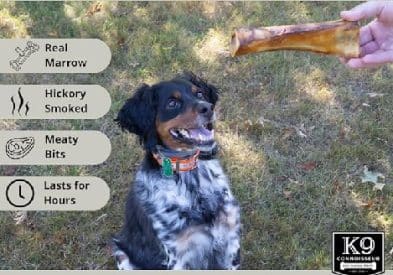
Why do dogs like to chew bones? Dogs love to chew bones for several reasons, making them a popular choice among pet owners. Bones are not only a delicious treat but also serve as an excellent source of essential nutrients and minerals that contribute to a dog’s overall health. Chewing bones helps prevent plaque buildup, reducing the risk of periodontal disease and promoting dental hygiene.
However, many veterinarians caution against giving dogs certain types of bones due to the potential for injury. It’s crucial to choose the right bones for your dog’s size and chewing habits to ensure their safety. When provided appropriately, bones can be a beneficial and enjoyable part of your dog’s diet.
If you’ve ever watched your dog happily gnaw on a bone for hours, you’ve probably asked yourself: Why do dogs like to chew bones so much? This behavior is deeply rooted in their instincts — but it’s also a great way to keep them entertained and healthy. Let’s explore why dogs are so fascinated by bones and how to make sure their chewing habit stay safe.
Contents
Why Do Dogs Like to Chew Bones? The Science, Benefits & Safe Chewing Tips
The Natural Instinct Behind Bone Chewing
Dogs are descendants of wolves, and chewing bones is an innate behavior passed down through generations. In the wild, wolves gnawed bones to reach the marrow inside, which is rich in fat, protein, and minerals. Chewing also helped them strengthen their jaws and clean their teeth naturally.
Even though domesticated dogs no longer need to hunt for food, that instinctive drive to chew remains. It’s both mentally stimulating and physically satisfying for them.
Chewing Relieves Stress and Boredom
Another reason why dogs like to chew bones is that it helps them relieve stress, anxiety, and boredom. Dogs need an outlet for their energy and natural curiosity. Without something to chew, they might turn to your shoes, furniture, or even baseboards!
Bones, chew toys, and treats offer the perfect distraction — they provide mental engagement and a sense of accomplishment.
Health Benefits of Chewing Bones
Chewing bones can have several health advantages when done safely:
- Dental Health: Gnawing scrapes off plaque and tartar, reducing bad breath and promoting healthier gums.
- Jaw Strength: Regular chewing keeps your dog’s jaw muscles strong and flexible.
- Mental Enrichment: It satisfies your dog’s natural urge to chew and prevents destructive behaviors.
- Nutritional Value: Natural bones (especially raw ones) can contain calcium, phosphorus, and marrow nutrients that support overall health.
Knuckle Bones for Dogs.

Beef knuckle bones are an excellent choice for dogs, providing hours of entertainment and engagement. These bones are particularly appealing because they are hard to break or splinter, making them safe for your furry friend.
Originating from the top of the femur leg joint during the butchering process, beef knuckle bones are large, strong, and packed with delicious tendons. This combination ensures that your dog remains interested and engaged as they work to break down the tough tendons, promoting healthy chewing habits.
Due to their size, beef knuckle bones are best suited for medium to large dogs. They not only entertain but also help with dental hygiene by cleaning teeth and acting as a natural source of calcium.
While beef knuckle bones are among the best bones for dogs to chew on, it’s important to supervise your pet during chewing sessions. Keeping an eye on your dog ensures they enjoy their knuckle bone safely and effectively.
Marrow Bones for Dogs.

The Appeal of Marrow Bones for Dogs
- Marrow bones are a favorite treat among dogs, thanks to their delectable taste and texture. Rich in fat, minerals, and vitamins, these bones offer not only a satisfying chew but also essential nutrients that contribute to your dog’s overall health.
Benefits of Marrow Bones
- The high-fat content in marrow bones makes them a particularly appealing choice for canine companions. However, it’s important to limit their frequency in your dog’s diet. Giving marrow bones once a week is a safe practice to prevent digestive issues or pancreatic reactions, especially in dogs prone to obesity.
Feeding Guidelines for Marrow Bones
- To ensure your dog’s safety, always provide fresh marrow bones. Dried bones can splinter, posing a risk of injury. By monitoring the quantity and supervising your dog while they enjoy their treat, you can help them experience the joy of gnawing on a marrow bone without any health concerns.
In summary, marrow bones offer a delicious and nutritious chewing experience for dogs. When given responsibly, they can keep your dog happy and engaged, making them the perfect recreational chew.
Why Do Dogs Like to Chew Bones?
Dogs have an instinct to chew, and bones are a favorite choice for many breeds. Chewing on bones helps keep their teeth clean, satisfies their urge to gnaw, and provides mental stimulation.
Best Dog Breeds for Knuckle and Marrow Bones
When it comes to knuckle bones and marrow bones, size matters. Full-size knuckle and marrow bones are perfect for medium to large dog breeds, including:
- Chow Chow
- Great Dane
- German Shepherd
- Alaskan Malamute
For smaller dog breeds, half-sized knuckle bones, knuckle bone slices, and cross-cut marrow bones are the best options. Ideal breeds include:
- Beagle
- Jack Russell Terrier
- Pug
- King Charles Spaniel
Choosing the right type of bone for your dog’s size ensures a safe and enjoyable chewing experience!
Which Bones are Dangerous for Dogs?
Understanding why dogs enjoy chewing bones is essential for their health and safety. While some bones can provide nutritional and dental benefits, many can pose serious risks to your furry friend. Not all bones are created equal, and certain types can be dangerous or even fatal for dogs.
Unsafe Bones for Dogs
Chicken, turkey, and pork bones are often considered unsafe for dogs to chew. Whether raw or cooked, these bones are prone to splintering, which can lead to choking hazards or severe internal injuries. It’s crucial to avoid giving your dog these types of bones to ensure their safety.
Commercial Dog Chews and Bones
Many commercially available dog chews and bones found in pet stores may also be harmful. These products often contain preservatives and artificial seasonings, and they are typically baked for extended shelf life. Such ingredients can upset your dog’s stomach and lead to health issues.
When dogs chew on inappropriate bones, their digestive systems can suffer, resulting in serious complications. It’s vital to choose safe, healthy options for your pet’s chewing needs to prevent any harmful effects.
Why Do Dogs Like to Chew Bones?
Dogs have an instinct to chew, and bones—whether raw or cooked—are particularly appealing. However, it’s important to be cautious, as splintered bones can pose serious choking hazards. Bones from common sources like chicken, turkey, and pork can easily break into sharp pieces, which may cause severe health issues for your dog.
When dogs ingest inappropriate bones, they can experience a range of digestive problems. Symptoms of bone ingestion in dogs include:
- Diarrhea
- Vomiting
- Mouth cuts
- Rectal bleeding
- Blood in stool
If you notice any of these symptoms in your dog after they have chewed on a bone, it’s crucial to contact your veterinarian immediately. Even for dogs with sensitive stomachs, chewing on bones can exacerbate digestive issues.
Additionally, if you see your dog chewing on a bone found outside, it’s best to remove it. You cannot determine where the bone came from or how long it has been there, which raises the risk of bacterial contamination and potential stomach infections. Keeping your dog safe from harmful bones is essential for their health and well-being.
Raw Bones versus Cooked Bones for Dogs.
Dogs naturally enjoy chewing, and bones provide an instinctual outlet for this behavior. However, it’s essential to understand the differences between raw bones and cooked bones to ensure your dog’s safety and health.
Raw Bones: A Safe and Nutritious Choice
Raw bones are a safer option for dogs compared to cooked bones. They can serve as both a nutritional meal and a recreational chew. Raw bones are packed with essential nutrients and collagen, which contribute to your dog’s overall health.
The Dangers of Cooked Bones
Cooked bones are always off-limits for dogs. Cooking makes bones brittle, leading to dangerous hazards:
- Broken Teeth: Chewing on hard, cooked bones can easily fracture your dog’s teeth.
- Mouth Injuries: Jagged edges from broken bones can cause cuts and injuries inside your dog’s mouth.
- Digestive Obstructions: Sharp bone fragments can get stuck in your dog’s digestive tract, causing obstructions.
- Constipation: Ingesting cooked bones can lead to digestive issues, including constipation.
- Perforation and Internal Bleeding: Sharp bone pieces can perforate internal organs, leading to severe health risks such as internal bleeding and peritonitis (a bacterial infection in the abdomen).
Monitoring Your Dog’s Chewing Habits
If your dog accidentally swallows a raw bone, it’s crucial to monitor their behavior closely. Be vigilant for any signs of distress, and consult your veterinarian immediately if any symptoms arise.
By choosing raw bones over cooked ones, you can help keep your dog healthy and happy while indulging their natural desire to chew.
Safety Tips for Giving Your Dog Bones
While chewing is natural, not all bones are safe. Here’s how to make sure your dog stays healthy and happy:
- Avoid cooked bones: They can splinter and cause choking or internal injuries.
- Choose the right size: Pick a bone that’s large enough that your dog can’t swallow it whole.
- Supervise chewing time: Always monitor your dog to prevent accidents.
- Try natural alternatives: If you’re worried about safety, opt for dog-safe chew treats or nylon bones designed to mimic the real thing.
- Discard when worn down: Once a bone becomes small or brittle, replace it to avoid choking hazards.
Best Alternatives to Real Bones
If you’re uncomfortable giving real bones, there are safe alternatives that still satisfy your dog’s chewing instincts:
- Rubber chew toys (like KONGs)
- Dental chews
- Rawhide-free bones
- Natural antlers or yak milk chews
These options are designed to promote dental health while minimizing the risks associated with real bones.
Final Thoughts: Why Dogs Love Bones
At their core, dogs chew bones because it’s part of who they are — instinctive hunters, explorers, and problem solvers. Chewing is comforting, healthy, and rewarding. By offering safe, appropriate bones or alternatives, you help your furry friend stay happy, healthy, and mentally stimulated.
So next time you see your dog enjoying a bone, remember — it’s not just playtime. It’s nature in action.
Visit our homepage for more great articles: valleyfeedandpetsupply.com
Recommended for You


