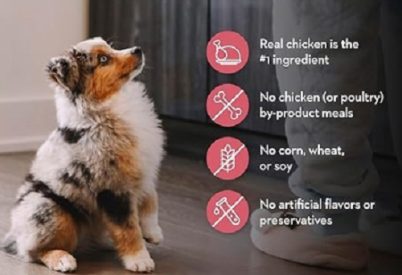
How to Choose the Best Puppy Food: Vet-Approved Guide for Healthy Growth. If you want to feed your puppy the greatest diet possible, search for a puppy formula that lists genuine meat first and has an AAFCO nutritional adequacy declaration. In addition to avoiding fillers and artificial substances, you need to think about the breed size of your dog. Bigger breeds have different calcium needs. To make sure the food is suitable for your puppy, it’s advisable to check with your vet.
How to choose the best puppy food. with this expert guide. Discover ingredients to look for, what to avoid, feeding tips, and top recommendations to support healthy puppy growth.
Contents
- 1 How to Choose the Best Puppy Food (Complete Guide)
- 2 Why the Right Puppy Food Matters
- 3 Key elements to consider
- 3.1 1. Choose Age-Appropriate Nutrition
- 3.2 2. Select High-Quality Protein as the First Ingredient
- 3.3 3. Look for Healthy Fats (Especially DHA)
- 3.4 4. Nutrient-Rich Fruits, Vegetables & Grains
- 3.5 5. Avoid Low-Quality Fillers
- 3.6 6. Choose According to Breed Size
- 3.7 7. Wet vs. Dry Puppy Food: Which Is Best?
- 3.8 8. Check for AAFCO Certification
- 3.9 9. Transition Your Puppy Slowly
- 3.10 10. Consider Your Puppy’s Unique Needs
- 4 Puppy Feeding Fundamentals
- 5 Should I feed my puppy how much?
- 6 Feeding Your Puppy: First Year Timeline
- 7 Track Your Puppy’s Weight and Growth
- 8 Is Expensive Puppy Food Worth It?
- 9 Tidbits about feeding puppies
- 10 Frequently Asked Questions
- 11 Final Thoughts
- 12 🐶 Which dog food do veterinarians recommend for puppies?
How to Choose the Best Puppy Food (Complete Guide)
Choosing the right food for your puppy is one of the most important decisions you’ll make as a new pet parent. Puppies grow fast, and they need high-quality nutrition to build strong bones, muscles, immunity, and brain development. In this guide, you’ll learn how to choose the best puppy food, what ingredients matter, and how to ensure your dog gets the perfect start in life.
Why the Right Puppy Food Matters
Your puppy’s first 12–24 months shape their long-term health. Feeding a balanced, nutrient-dense puppy formula helps support:
- Healthy bone and joint development
- Strong immune system
- Shiny coat and healthy skin
- Proper brain and vision development
- Steady, healthy growth (not too fast or slow)
This is why knowing how to choose the best puppy food is essential.
Key elements to consider
- Special puppy formula: Puppies require more protein, fat, and other nutrients to develop quickly. These requirements are not met by adult dog food.
Quality protein: Look for chicken, lamb, or salmon as the first component. Active lives and muscular development need protein. - Nutritional adequacy statement: The food should be “formulated to meet the nutritional levels established by the AAFCO Dog Food Nutrient Profiles for growth” on the container.
Breed: Choose a formula for your puppy’s size. Small-breed puppy feeds are more calorie-dense, while large-breed foods have regulated calcium levels to avoid joint difficulties. - Avoid artificial chemicals and fillers: Avoid excessive maize, soy, artificial colors, and preservatives, which are unhealthy and cause stomach issues.
- Ask your vet: You may get tailored advice from your vet if your puppy has health issues.
1. Choose Age-Appropriate Nutrition
Always look for a formula labeled:
- “Puppy Food”
- “Growth & Reproduction”
- “All Life Stages” (AAFCO-approved)
Puppy formulas contain higher protein, fat, DHA, and essential nutrients for rapid development.
2. Select High-Quality Protein as the First Ingredient
Great puppy foods list real meat first, such as:
- Chicken
- Turkey
- Beef
- Salmon
- Lamb
High-quality protein fuels muscle development and supports energy levels.
3. Look for Healthy Fats (Especially DHA)
Healthy fats support brain and eye development. Choose foods with:
- Salmon oil
- Chicken fat
- Omega-3 and Omega-6 fatty acids
- DHA (an essential fatty acid for puppies)
4. Nutrient-Rich Fruits, Vegetables & Grains
Depending on your preference, you can choose grain-inclusive or grain-free formulas. Both can be healthy.
Look for ingredients like:
- Sweet potatoes
- Oats
- Brown rice
- Carrots
- Lentils
- Spinach
These provide vitamins, minerals, antioxidants, and fiber.
5. Avoid Low-Quality Fillers
For the healthiest choice, avoid puppy foods with:
- Artificial colors or flavors
- BHA/BHT
- Meat by-product meals of unknown origin
- Excessive fillers like corn or wheat gluten
6. Choose According to Breed Size
Puppy food isn’t “one-size-fits-all.”
Small-Breed Puppies
- Higher calories per bite
- Smaller kibble size
- Faster metabolism needs
Large-Breed Puppies
- Controlled calcium and phosphorus
- Slower growth formula
- Helps prevent bone and joint issues
7. Wet vs. Dry Puppy Food: Which Is Best?
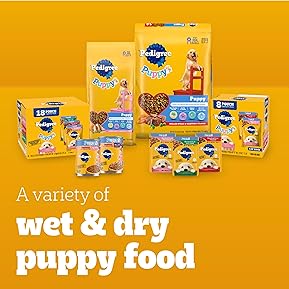
Both have benefits.
Dry Food (Kibble)
- Better for dental health
- More affordable
- Easy to store
Wet Food (Canned)
- More flavorful
- Higher moisture
- Good for picky eaters
Many owners choose a combination of both.
8. Check for AAFCO Certification
Always choose puppy food that states:
“Formulated to meet the nutritional levels established by the AAFCO Dog Food Nutrient Profiles.”
This ensures the food meets basic nutritional requirements.
9. Transition Your Puppy Slowly
When switching puppy foods, transition over 7–10 days:
- Day 1–3 → 25% new food
- Day 4–6 → 50% new food
- Day 7–9 → 75% new food
- Day 10 → 100% new food
This helps prevent digestive upset.
10. Consider Your Puppy’s Unique Needs
Some puppies may need special formulas:
- Sensitive stomach → Limited ingredient diet
- Food allergies → Grain-free or novel protein
- High-energy breeds → Higher-calorie formulas
- Large breeds → Controlled calcium/phosphorus
Your vet can help guide you.
Puppy Feeding Fundamentals
Walking down the dog food aisle can feel overwhelming, especially for first-time puppy parents. With so many brands and formulas available, choosing the right diet for your growing pup may seem confusing. Years ago, feeding a dog was simple because there were fewer options—but today’s variety is actually a good thing. Modern puppy foods offer higher-quality ingredients, better sourcing, and specialized formulas designed to support healthy development.
Understanding puppy feeding fundamentals is the best way to ensure your young dog gets the nutrition they need. Because each puppy is unique, always consult your veterinarian or breeder if you have concerns about your puppy’s diet, feeding schedule, or growth. Many new owners ask, “How long should I feed puppy food?” During their first year of life, puppies have specific nutritional requirements that help them build strong bones, muscles, and overall health.
Should I feed my puppy how much?
Dog owners say, “Watch the dog, not the dish.” Body condition, not how much food your dog ate or left in the dish, should dictate portion sizes. Individual metabolism and body type determine portion sizes and nutritional needs for each dog. Don’t panic if your puppy misses meals or picks at food. It may indicate that they are ready to stop eating or that you gave them too much, in which case you might minimize future meals.
Adjust lunchtime feeding if you’re teaching your dog with incentives. Treats should be small for training.
Feeding Your Puppy: First Year Timeline
6–12 weeks: Puppy food is designed to suit the nutritional demands of growing pups. Giving your puppy adult dog food deprives it of nutrition. Four feedings a day normally provide dietary needs. By 9 or 10 weeks, large breed pups should eat unmoistened dry puppy chow; by 12 or 13 weeks, little dogs.
3–6 months: Reduce daily feedings from four to three. By 12 weeks, puppies should lose their potbelly and chubbiness. Keep feeding puppy-size quantities until they develop if they are still roly-poly.
Feed your dog twice daily at 6–12 months. Spaying or neutering your dog at this period reduces its energy needs. Switch from a nutrient-rich puppy diet to adult maintenance dog food after this surgery. Small breed pups may move to adult food at 7–9 months, bigger breeds at 12, 13, or 14 months. Better to overfeed a puppy than underfeed it.
After age 1, most owners give adult dogs their daily food in two meals.
Track Your Puppy’s Weight and Growth
A simple notepad or more advanced spreadsheet can chart your puppy’s growth. Record weekly puppy weights and compare them to breed-appropriate charts. Adjust your puppy’s diet for typical development.
Weighing a dog, even a wiggling puppy, helps measure development. Weighing yourself before weighing a squirmy puppy that hasn’t learnt to keep still is a simple approach to weighing a dog. To calculate the puppy’s weight, subtract.
Don’t worry about an ounce or two—every dog, even within breeds, is different.
Due to joint tension, overweight puppies are more likely to develop orthopedic issues. Diabetes, heart disorders, organ disorders, and lethargy may result from dog obesity.
Is Expensive Puppy Food Worth It?
A well-formulated “premium” or “super premium” puppy chow should have high nutritional density, so you may feed your puppy less to get the same benefits as a cheaper brand. (The feces should be smaller, too!) These diets should have consistent ingredient profiles since cheap dog food products might fluctuate from batch to batch.
To stay competitive, major dog food businesses spend extensively on product development and research, improving recipes. This means providing premium puppy food puts you at the forefront of canine nutrition.
Tidbits about feeding puppies
First feeding your dog when you arrive home may cause separation anxiety. Playing, grooming, or entering calmly are better ways to say hello.
Veterinarian-prescribed diets are available for pups with digestive issues. Prescription dog food is used for dogs with renal, heart, diabetes, and other critical diseases. These foods should never be provided to puppies or dogs without a prescription.
Some vitamin and mineral supplements might hurt if misused. Before feeding your large-breed puppy vitamin or mineral supplements, consult your doctor and breeder.
Ask your doctor and breeder before making substantial nutrition changes for your puppy. Stick to your puppy’s food formula. Digestion issues or diarrhea may result from sudden meal changes.
Most pups will eat little amounts of carrot, apple, or green beans, which are low in calories. Fresh water should always be accessible. Consider additional indoor/outdoor water stations in summer. Wash your puppy’s water dish every day to prevent biofilm and bacterial growth.
Frequently Asked Questions
How do I know if my puppy’s food is good quality?
Check for real meat first, healthy fats, digestible carbs, and AAFCO certification.
Is grain-free puppy food better?
Not always. Both grain-free and grain-inclusive formulas can be healthy depending on the ingredients and your puppy’s needs.
How often should I feed my puppy?
- 8–12 weeks: 4 meals/day
- 3–6 months: 3 meals/day
- 6–12 months: 2 meals/day
Final Thoughts
Learning how to choose the best puppy food ensures your dog gets the nutrition they need for a strong start in life. Focus on high-quality proteins, essential fats, balanced nutrients, breed-appropriate formulas, and trusted certifications. With the right food, your puppy will grow healthier, happier, and thrive throughout every stage of life.
Check out our many featured articles. valleyfeedandpetsupply.com
🐶 Which dog food do veterinarians recommend for puppies?
Here are some highlighted picks and why they’re good:
-
Hill’s Science Plan Puppy Medium Chicken. A vet-formulated formula for medium-breed puppies. Contains DHA for brain development and a balanced nutritional profile. Hill’s Science Diet is widely recommended by veterinarians.
-
Hill’s Science Plan Puppy Small & Mini. Specifically tailored for small-breed puppies (smaller kibble, suitable nutrient density).
-
Royal Canin Small Breed Puppy. Designed for small-breed puppies (adult weight ≤ 10 kg). Enriched with DHA and other nutrients to support brain development, immunity, and digestion.
-
Royal Canin Medium Breed Puppy. Good for medium-sized puppies that aren’t tiny but don’t grow huge — gives balanced growth support.
-
Orijen Amazing Grains Puppy. A high-quality, more biologically appropriate formula with a variety of proteins + whole grains.
-
Orijen Large Breed Puppy. Formulated specifically for large-breed puppies: controlled calcium/phosphorus, high protein to support healthy growth without overstressing bones.
-
Harringtons Complete Dry Puppy Food Turkey & Rice. Great value, wholesome ingredients. Turkey as a primary protein + rice for digestible carbs — a solid classic choice.
-
Seven GF Puppy Chicken. Grain-free, chicken-based formula — ideal for puppies with grain sensitivities (as long as your vet says grain-free is okay).