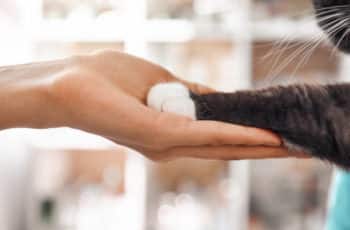
How do I apologize to my cat? If you’ve accidentally stepped on your cat’s tail, raised your voice, or caused it distress in some way, you might be wondering: how do I apologize to my cat? While cats don’t understand apologies the way humans do, they are highly sensitive to tone, body language, and emotional cues. Earning back your feline’s trust involves patience, kindness, and understanding. Here’s how to make amends and show your cat you’re sorry:
Contents
- 1 How Do I Apologize to My Cat?
- 2 FAQs:
- 2.1 How do I apologize to my cat after accidentally scaring or hurting them, and what specific actions help rebuild trust and calm their emotions effectively at home?
- 2.2 How do I apologize to my cat if I yelled, ignored them, or disrupted their routine, and what signs show they have accepted my apology?
- 2.3 How do I apologize to my cat properly so they feel safe again, and what mistakes should I avoid when trying to comfort them?
How Do I Apologize to My Cat?
1. Verbal Reassurance
Start with a calm, soothing voice. Say things like “I’m sorry,” “It’s okay,” or “I didn’t mean to.” While your cat may not grasp the words themselves, your tone can communicate safety and affection. A soft, consistent voice helps to ease any tension your cat may feel.
2. Offer Treats and Toys
Cats are motivated by rewards. Offer a favorite treat, a bit of tuna, or a beloved toy as a peace offering. This small gesture shows your cat that you still care, and it can be a great way to rebuild trust.
3. Spend Quality Time
Physical closeness can help restore the bond. Gently pet your cat, give ear or chin scratches if it allows, or initiate play with a wand toy. Respect your cat’s boundaries—if it walks away, don’t push it. Let the interaction be guided by your cat’s comfort level.
4. Avoid Punishment
Cats don’t respond to punishment the way dogs or humans might. Scolding, yelling, or any form of discipline can damage your relationship. Instead, focus on creating a safe and positive environment. Understanding and patience are far more effective than punishment.
5. Understand Cat Behavior
Cats may react to stress by hiding, becoming aloof, or acting differently. These are normal coping mechanisms. If your cat seems withdrawn, give it space. Let it re-approach you when it feels ready. Forcing interaction can increase anxiety.
Conclusion
Apologizing to your cat isn’t about the words—it’s about your actions, tone, and empathy. By offering comfort, rewards, and quality time while respecting your cat’s need for space, you can rebuild the trust and connection you share. Every cat is different, so take cues from your feline friend and always approach with gentleness. In time, your cat will likely forgive you—and may even curl up beside you again as a sign that all is well.
FAQs:
How do I apologize to my cat after accidentally scaring or hurting them, and what specific actions help rebuild trust and calm their emotions effectively at home?
Apologize by speaking softly, avoiding sudden movements, and giving your cat space. Offer a favorite treat or toy once they relax, and let them approach you first to rebuild trust naturally.
How do I apologize to my cat if I yelled, ignored them, or disrupted their routine, and what signs show they have accepted my apology?
Use a calm voice, resume normal routines, and show gentle affection if welcomed. Signs of acceptance include relaxed body language, purring, slow blinking, or choosing to sit near you again.
How do I apologize to my cat properly so they feel safe again, and what mistakes should I avoid when trying to comfort them?
Apologize with patience, quiet reassurance, and positive reinforcement like treats. Avoid forcing contact, chasing them, or overhandling, as this can increase stress instead of rebuilding trust.
Related Articles: